Neither polyaspartic nor epoxy is universally better. The right route depends on the role of each layer, substrate condition, exposure, target finish, installation window and the performance documented for the exact product code.
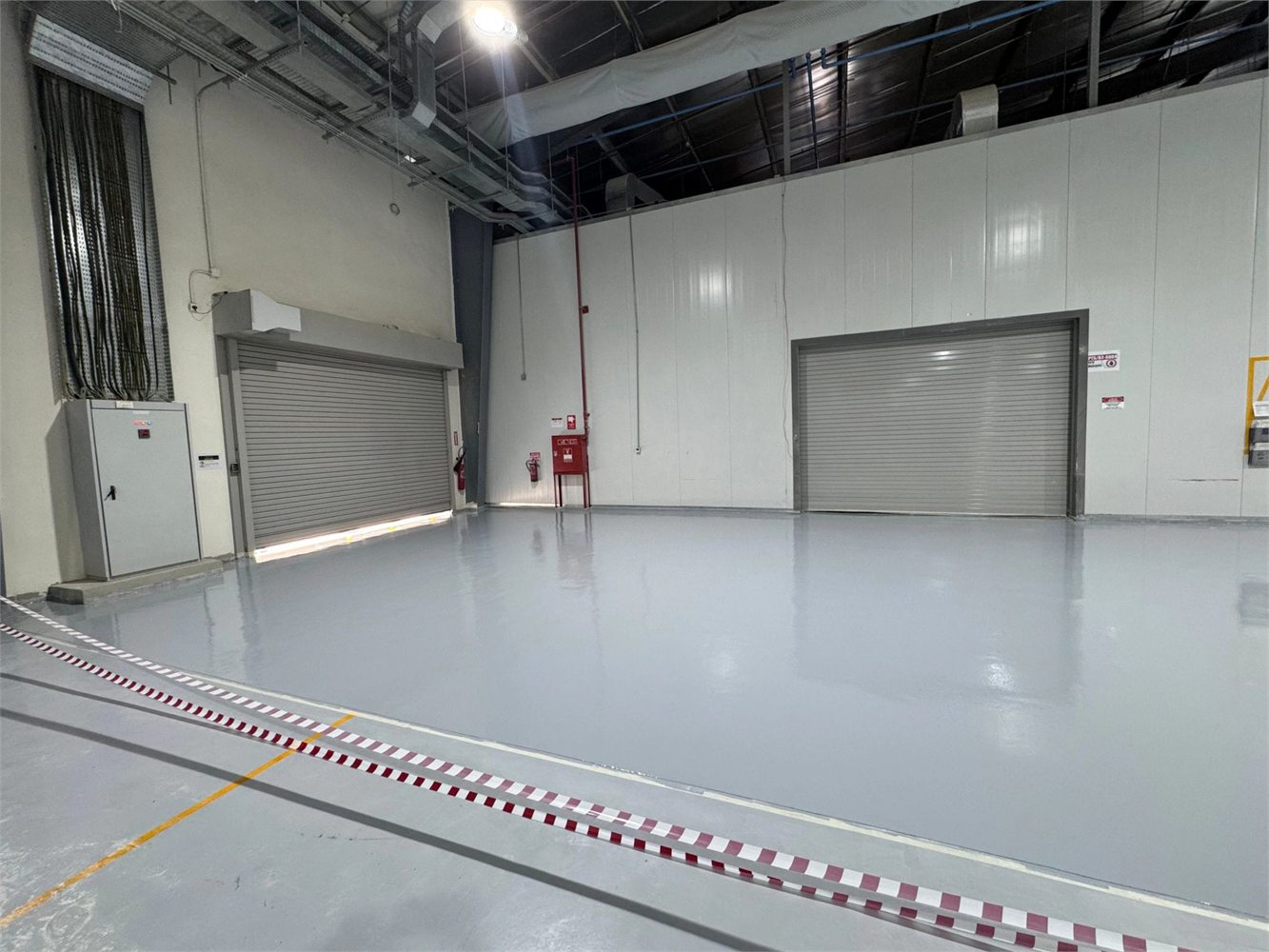
Start with the project decision, not the material label
Epoxy and polyaspartic products can be formulated for different jobs. A primer, build coat, clear finish and pigmented topcoat should not be compared as if they were interchangeable. First define what the complete coating system must do.
| Decision | What to verify | Why it changes the answer |
|---|---|---|
| Substrate | Strength, moisture, cracks, contamination and existing coating | Preparation and primer compatibility affect the whole system. |
| Exposure | Indoor or outdoor use, sunlight, chemicals, water, traffic and cleaning | Resistance claims only apply to the tested product and conditions. |
| Installation | Temperature, humidity, crew capability, pot life, recoat and shutdown window | A shorter cure can help scheduling but may reduce working time. |
| Finish | Color, gloss, texture, slip requirement and maintenance | The topcoat and aggregate route determine the visible and functional finish. |
How should UV and appearance be compared?
Do not assume every epoxy will yellow or every polyaspartic grade will retain color in the same way. Ask for the current TDS, the relevant weathering or color-stability test method, specimen details and acceptance criteria for the shortlisted product. For exposed service, confirm the complete system—including primer and underlying layers—not only the topcoat name.
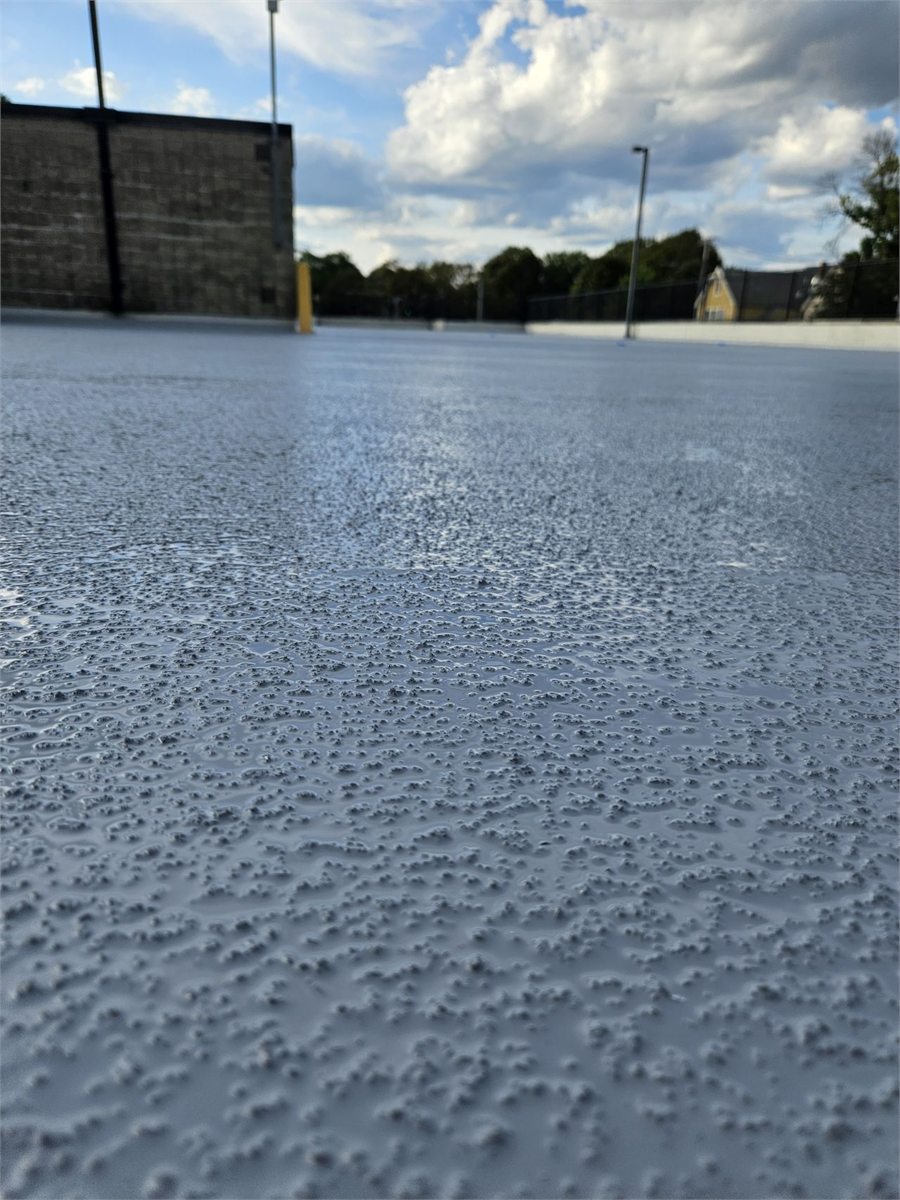
How should cure time and application risk be compared?
Compare the documented pot life, application temperature, recoat window and return-to-service conditions of the exact products. A faster-curing material can reduce downtime, but it also requires the crew, mixing plan and area size to suit the available working time. A trial area is useful when the substrate, climate or installer method is uncertain.
How should durability and chemical resistance be compared?
Terms such as “durable,” “abrasion resistant” or “chemical resistant” are incomplete without a test method and conditions. Compare results obtained under relevant methods, then check whether the film build, substrate, conditioning and exposure resemble the project. Also review joints, cracks, impact points and maintenance because failures often begin outside the headline coating property.
A practical selection path
- Send photographs and describe the substrate, exposure, traffic, finish and installation window.
- Shortlist the complete systems and exact product codes—not only “epoxy” or “polyaspartic.”
- Review the current TDS/SDS, test basis, compatible layers and application limits.
- Confirm a sample or trial area when color, texture, adhesion or application speed is critical.
- Use the written quotation and approved project documents for final supply and specification.